
Mobile App Development
Mobile app development companyin India
Mobile app development designs and builds applications for Android, iOS or both, then supports them after release. It suits businesses whose customers need an app experience a website cannot give, such as on-demand services, repeat shopping, field work or offline use. Choosing native or cross-platform tools, and planning store release and updates, shapes both cost and quality.
Overview
Platform choices, then product thinking
Who it is for
Businesses considering a first app, teams replacing an ageing one, and founders building an on-demand or marketplace product.
The first decision is how many platforms and which technology. Native Android and iOS apps give the most control over each platform. Flutter and React Native let one codebase serve both, with trade-offs in performance and platform-specific features. In India, Android reaches most users but spans a very wide range of devices, so testing across devices matters.
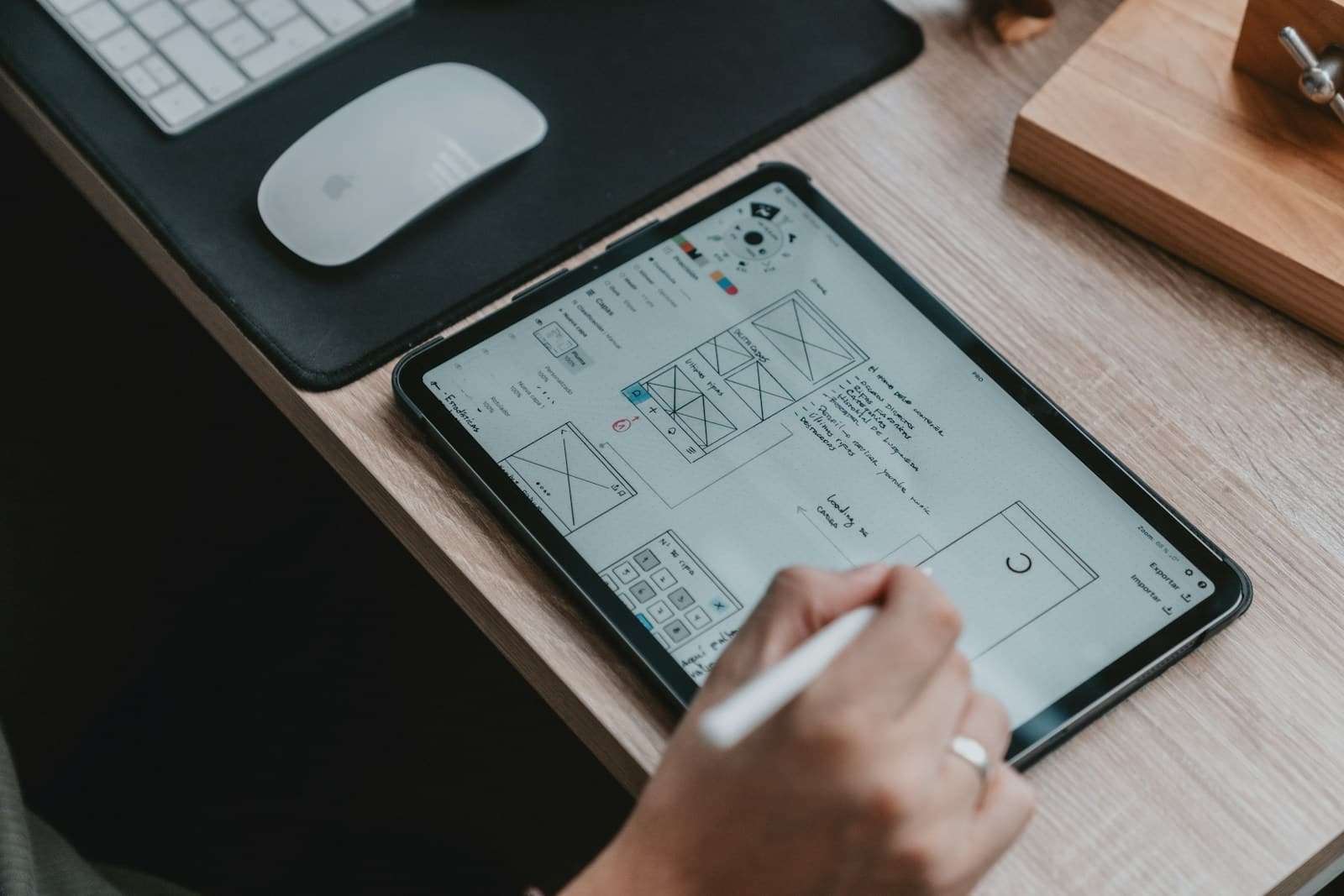
An app is a product, not a one-off build. Store review rules, operating-system updates, crash monitoring and new features keep arriving after launch. Good projects therefore include UX design and prototyping before development, store listing optimisation so the app can be discovered, and an agreed plan for maintenance and releases.
Services included
11 ways to work on mobile app development
Every service below belongs to this category. Each can be taken on its own or alongside others.
- 01
Android App Development
Android-first markets, device fragmentation, Play policies
- 02
iOS App Development
Swift/SwiftUI apps and App Store review guidelines
- 03
Flutter App Development
One codebase for Android and iOS; performance trade-offs
- 04
React Native App Development
Sharing code with a React web app; when to choose RN
- 05
Cross-Platform App Development
Choosing between cross-platform frameworks
- 06
Ecommerce App Development
App features that increase repeat purchase
- 07
On-Demand App Development
Customer, provider and admin apps; real-time tracking
- 08
Enterprise Mobile App Development
Field-force and internal apps; MDM and security
- 09
App UI/UX Design
Mobile design patterns, prototyping and usability testing
- 10
App Store Optimization (ASO)
Keywords, screenshots and ratings for store visibility
- 11
App Maintenance & Support
OS updates, crash monitoring, feature releases
Not sure which Mobile App Development you need? We will recommend the right mix.
Get My Free ProposalUse cases
When an app is the right move
Typical situations where an app earns its cost.
Customers ask for an app, and you are unsure you need one
Weigh what an app adds, such as notifications, offline use or device features, against a fast mobile website.
You need Android and iOS on one budget
Cross-platform frameworks can share most code, with some trade-offs worth understanding first.
An on-demand or marketplace model needs several apps
Customer, provider and admin experiences, plus real-time tracking, make planning essential.
An existing app has crashes, poor ratings or old code
A technical review decides whether to repair, refactor or rebuild, and monitoring shows where users struggle.
Approach
How an app project is usually approached
Prototype before building, and plan the life after launch.
- 01
Step 1: Decide platforms and scope
Choose Android, iOS or both, pick the technology and agree what the first release includes.
- 02
Step 2: Design and prototype
Create interface designs and a clickable prototype, and test them with users before coding.
- 03
Step 3: Build and test on real devices
Develop the app with a back end where needed, and test across devices and operating-system versions.
- 04
Step 4: Release, optimise, maintain
Publish to the stores, optimise the listing, monitor crashes and plan regular updates.
Typical outputs
What app projects typically produce
Deliverables are agreed per project. In this discipline they usually include:
- A clickable prototype for testing with users
- App builds for the target platforms
- Store listings with keywords and screenshots
- Crash and performance monitoring set up
- A maintenance and release plan
Scope and cost
What shapes scope and cost
Store fees and back-end hosting are separate from the build.
Platforms and framework
One platform, two native apps and a cross-platform build each differ in effort.
Features
Payments, maps, notifications, offline mode and real-time tracking each add engineering and testing.
Back end and admin tools
Most apps need a server, a database and an admin panel, which are projects in themselves.
The starting price is shown below. Your exact quote depends on scope and is fixed in writing before any work starts.
Choosing a provider
How to choose an app developer
What to ask before committing to a build.
- 01
They ask whether you need an app or a mobile site first
A good partner is willing to talk you out of unnecessary work.
- 02
They test on real devices
Emulators miss problems that appear on actual phones.
- 03
They explain store review and update duties
Know who handles rejections, operating-system changes and releases.
- 04
You own source code and store accounts
Developer accounts and code should be in your name.
Pricing
Mobile App Development pricing: what does it cost?
Mobile App Development at Parmanu Digital starts from ₹1,50,000 per project for a first version of a mobile app for Android, iOS or both. The final price depends on scope, and you get a fixed written quote before any work starts.
Starting from
₹1,50,000/ project
+ GST
- Screen design and clickable prototype
- App build with a backend API
- Play Store and App Store submission
- Crash reporting after launch
What changes the price
- Native or cross-platform build
- Number of screens and features
- Real-time, maps or payment features
Prices are starting points in Indian rupees and exclude GST. Ad spend, paid tools and third-party licences are billed separately at cost. You get a fixed written quote after a free consultation.
Related services
Services that work alongside
Guides and proof
Go deeper on mobile app development
Mobile App Development by industry
Sector pages that explain how this work applies in each industry.
Mobile App Development FAQ
Questions aboutthis service.
Should I build a native app or a cross-platform app?
Native apps use each platform's own tools and offer the most control, performance and access to new features, but need separate Android and iOS builds. Cross-platform frameworks such as Flutter and React Native share most code across both, which reduces effort, with occasional compromises. Choose by what the app must do, your budget and the team that will maintain it.
Do I need both an Android and an iOS app?
It depends on where your users are. In India, Android has the larger share of devices, so many products launch there first, while iOS can matter more for premium or international audiences. Look at your own customers' devices, and consider a cross-platform build if you need both without doubling the effort.
What happens after the app is published?
Work continues. Operating-system updates can break features, store policies change, and users report bugs or ask for improvements. Plan for crash monitoring, regular releases, security updates and support. Without a maintenance arrangement, apps tend to degrade, receive poor reviews and eventually stop working on new devices.
How can an app get more downloads?
Start with app store optimisation: a clear name, relevant keywords, strong screenshots and honest descriptions, plus a steady flow of reviews. Then support it with channels your audience already uses, such as your website, email, social media and paid campaigns. No technique guarantees downloads, so measure installs and retention and adjust.
Free proposal
Get your free Mobile App Development proposal
Tell us what you want to achieve. We will reply with a clear plan, a timeline and a fixed quote.
- A free proposal with scope, timeline and a fixed quote
- A real person from our Pune team reads every enquiry
- Reply on working days, Monday to Friday
- No obligation and no spam
Let’s build together
Have somethingambitiousin mind?
Tell us what you’re trying to achieve. We’ll help you turn your idea into a scalable digital solution — from strategy to development and growth.
- Quick Response
- NDA Friendly
- Free Consultation